
Moving to Germany from India brings with it a myriad of new experiences, one of which is the winter cold. If you’ve grown up in a warm climate (which is the case for most of India) and are familiar with air conditioners but not with heaters, the concept of home heating might seem foreign – it did to me too!
In Germany, homes and apartments are heated primarily through various systems designed to keep indoor spaces warm during the cold months, typically from mid-October to mid-April. Although some might need heating for a longer period, depending on individual tolerance to cold. Heating systems are essential for maintaining a comfortable living environment during these months. Unlike air conditioners that cool down air, these systems heat the indoor air or surfaces like floors.
This guide will help you understand the basics of heating systems in Germany, making your transition to a colder climate smoother.
Table of Contents
- Why you’ll never survive a German winter without heating
- Which heating system will you find in your German home?
- Thermostats in Germany: Don’t overthink it!
- Introduction to Energy Costs in Germany
- Understanding the German Rental Contract (Mietvertrag)
- What to do when your heating stops working (and it will!)
- Tips for Efficient Heating in Germany
- Additional Tips for Newcomers
- Adjusting to Germany’s Cold Climate
- Heating Tips for Families with Children
- Conclusion: Staying warm and comfortable in your new home
Why you’ll never survive a German winter without heating
Germany experiences cold winters, with temperatures often dipping below freezing from December to February. Unlike in India, where air conditioning is common, Germany relies heavily on various heating systems to maintain comfortable indoor temperatures. Knowing how these systems work will help you stay warm and save on energy costs.
Which heating system will you find in your German home?
1. Central Heating (Zentralheizung)
- Description: Central heating is widely used in German apartments. A central boiler heats water, which is then circulated to radiators throughout the building.
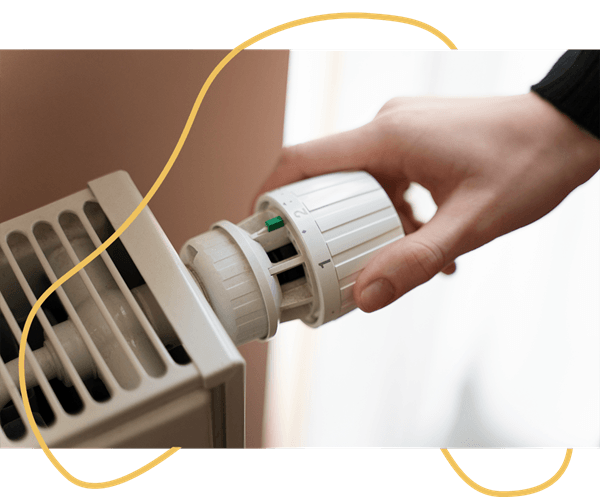
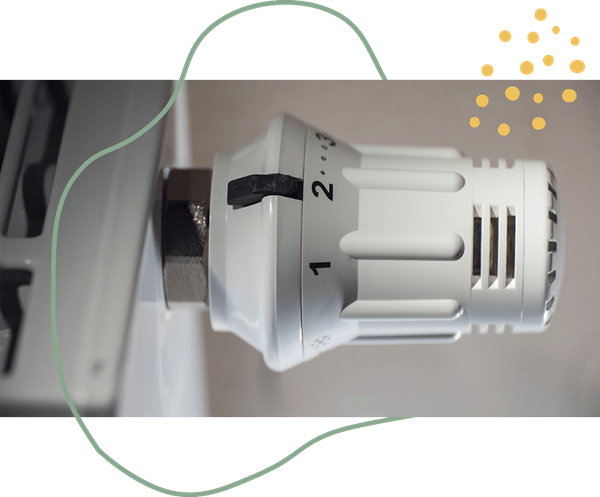
- Usage Tips: Radiators in each room can be controlled with a thermostat knob ranging from 0 (off) to 5 (maximum heat). Understanding how to adjust these settings is key to maintaining a comfortable temperature in your home.
2. Gas Heating (Gasheizung)
- Description: Gas heating is another common method, especially in individual apartments. A gas-powered boiler heats water that circulates through radiators.
- Usage Tips: Regular maintenance of the gas boiler is essential. Typically, this responsibility falls to the landlord, but it’s crucial to check your rental agreement. Use the apartment’s thermostat to regulate the overall temperature efficiently.
3. Oil Heating (Ölheizung)
- Description: Oil heating systems use heating oil as fuel and are more common in standalone houses. The oil is stored in a tank, and its price can fluctuate, affecting heating costs.
- Usage Tips: Ensure the oil tank is adequately filled before winter. Like gas heating, temperature control is managed via a thermostat.
4. Electric Heating (Elektroheizung)
- Description: Electric heaters convert electricity into heat. They come in various forms, including wall-mounted units and portable space heaters.
- Usage Tips: Electric heating can be costly, especially in regions with high electricity prices. Use these heaters sparingly and consider energy-efficient options to manage costs.
5. Underfloor Heating (Fußbodenheizung)
- Description: This system involves heating elements or hot water pipes installed under the floor, providing even warmth throughout the room.
- Usage Tips: Controlled via a wall-mounted thermostat, underfloor heating is ideal for bathrooms and kitchens. It offers a gentle, consistent heat that enhances comfort.
Thermostats in Germany: Don’t overthink it!
At first, I thought the thermostat was just an on-off switch — it took me a week to realize each room has its own knob, and you can adjust them individually! Knowing this little trick made a huge difference in keeping our place warm without wasting energy.
Setting it between 2 and 3 keeps rooms at a moderate temperature of around 20°C, which is considered comfortable for daily living. Many thermostats also include a “frost protection” mode, which prevents pipes from freezing without fully heating the room. Adjusting individual thermostats based on room usage (e.g., setting bedrooms slightly cooler) can help save on heating costs.
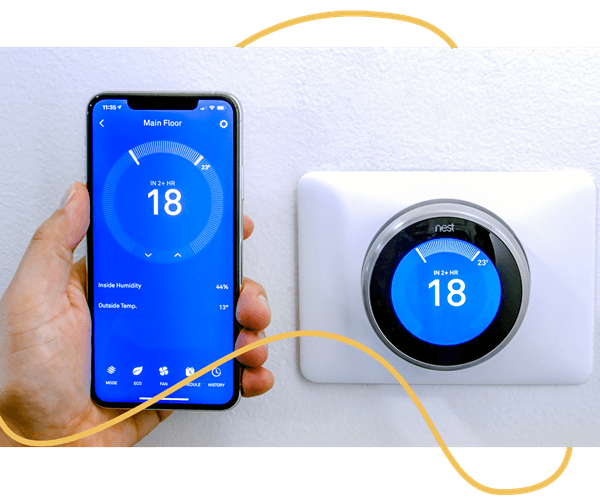
If your home has a central thermostat, usually wall-mounted, it allows you to set the temperature for the entire apartment and sometimes schedule heating times. Learning to use these settings can help you optimize comfort while conserving energy.
In India, we’re used to turning on the AC at the push of a button. Here, you have to learn the art of adjusting radiator knobs — it’s a bit of a learning curve, but you’ll get the hang of it!
Introduction to Energy Costs in Germany
Energy costs in Germany are relatively high compared to many other countries, making it especially important to use heating efficiently and understand energy-saving options. Utility providers in Germany offer various plans, some of which include renewable or “green” energy sources, which are becoming increasingly popular. When choosing a plan, you’ll likely see energy efficiency ratings (e.g., A+++ to G ratings for efficiency). Appliances and heating systems with higher efficiency ratings consume less energy, which can lower your monthly bills despite initial higher costs. Checking these ratings when selecting heaters or home appliances can help you make more economical and environmentally friendly choices.
Understanding the German Rental Contract (Mietvertrag)

The “Mietvertrag” (rental contract) in Germany often includes heating costs under “Nebenkosten” (additional costs), which are typically estimated based on average usage. When I first saw the word “Nebenkosten”, I thought it just meant extra rent. Turns out, it’s a whole world of hidden costs — including heating! Make sure you know what you’re paying for, or you might get a surprise bill at the end of the year.
These costs are reconciled at the end of the year; you may receive a refund if you used less than estimated, or you might owe more if you used more. It’s important to ask about how these costs are calculated, as they can vary depending on the type of heating system. Understanding this section can help you avoid unexpected expenses and better manage your heating usage.
What to do when your heating stops working (and it will!)
What to do if the heating isn’t working? Provide guidance on what steps to take if the heating system in your apartment or house isn’t working properly. This could include contacting the landlord, understanding your rights as a tenant, and knowing when to seek professional help.
Emergency Heating Solutions: Suggest temporary solutions like portable heaters or electric blankets in case of heating failures, especially during peak winter.
Tips for Efficient Heating in Germany
- Ventilation: Proper ventilation is crucial in well-insulated German homes to prevent moisture buildup and mold. The “Stoßlüften” technique, where windows are fully opened for 5-10 minutes, is an effective way to ventilate without losing much heat.
- Optimal Temperature Settings: Germans typically keep their homes at around 20-22°C during the day, lowering the temperature at night. Adjusting your thermostat to these levels can help maintain comfort while controlling energy costs.
- Managing Heating Costs: Heating costs are often included in your “Nebenkosten” (additional costs) if you rent. However, these are based on estimated usage and reconciled annually. Understanding your system and being energy-efficient can help manage your bills effectively.
- Ideal air flow: For an ideal air flow, it is important that the radiators are not covered or blocked by huge objects. To ensure that the room heats up evenly, long curtains or pieces of furniture should not be placed directly in front of the heater so that the warm air can circulate in the room. Otherwise, some parts of the room might remain cold, even when the heating system is running at full power. This also saves a lot of money.
I’ll never forget my first heating bill in Germany — I was shocked! I had kept the heating on full blast all winter because I thought, ‘Hey, it’s cold, I need it!’ Big mistake. Now, I’ve learned to be smarter about heating, like turning down the thermostat at night and using thicker blankets instead. Trust me, your wallet will thank you.
Additional Tips for Newcomers
- Smart Thermostats: Introduce the concept of smart thermostats, which can be installed to optimize heating schedules and reduce energy consumption, ultimately saving on costs.
- Insulation and Draught Proofing: Offer tips on improving home insulation, such as sealing windows and doors or adding draft stoppers to reduce heat loss.
- Understanding the Local Climate: Include a brief section on regional climate variations within Germany (e.g., colder in the South and East, milder in the West and North) so that expats can better prepare their homes accordingly.
Adjusting to Germany’s Cold Climate
Adapting to the cold climate in Germany can be challenging, especially if you’re used to warmer weather. Here are some practical tips to help you stay warm:

- Layering: Dress in layers to retain body heat and easily adapt to varying temperatures indoors and outdoors.
- Enhancing Home Comfort: Use thick curtains, rugs, and insulated windows to prevent heat loss and keep your home cozy.
- Enjoy Warm Beverages: Warm drinks like chai or coffee can help you stay warm from the inside, making cold days more bearable.
Heating Tips for Families with Children
Children are more sensitive to temperature changes, so maintaining a comfortable indoor environment is essential. Experts recommend keeping a child’s room between 16 °C and 20 °C (68 °F to 68 °F) to ensure safety and comfort.
- Avoid Overheating: Overheating can be as dangerous as being too cold, especially for infants. Keep their room at a moderate temperature to reduce the risk of sudden infant death syndrome (SIDS).
- Use a Humidifier: Heating systems can dry out the air, leading to discomfort and potential health issues. A humidifier helps maintain ideal humidity levels between 40-60%, preventing dry skin and respiratory problems.
- Seasonal Bedding: In winter, flannel sheets and warm blankets can keep your child cozy without over-relying on heating systems. Always consult with a pediatrician for specific advice on your child’s sleeping environment.

Conclusion: Staying warm and comfortable in your new home
Moving to a colder country like Germany can be a big adjustment, especially when you’re used to warmer climates. Trust me, I know how overwhelming it feels when you first encounter a radiator knob and realize you have no idea what those numbers mean! But here’s the good news — once you get the hang of how heating systems work here, it becomes second nature.
Whether it’s turning the thermostat just right to keep your home cozy, mastering the Stoßlüften technique to keep your place fresh without losing too much heat, or understanding your rental contract’s heating costs, it’s all part of settling into a new way of life. There’s something comforting about coming home to a warm space after a long day out in the cold — it’s a feeling that quickly becomes part of your winter routine.
Remember, you don’t have to get it all perfect right away. Experiment with what feels comfortable for you and your family. Maybe you’ll discover you prefer a warmer bedroom, or perhaps you’ll love the toasty feel of underfloor heating in your bathroom. The key is to find what works best for you while being mindful of energy costs and efficiency.
About the Author: Nidhi Krümpelmann (Raval)
