
Moving here is an exciting adventure, but brace yourself—one of the most unexpected (and occasionally hilarious) changes you’ll encounter is the dramatic shift in seasons.
Table of Contents
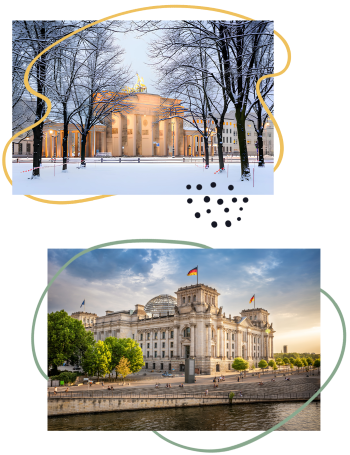
In India, we’re used to the gentle ebb and flow of summer, winter, and, of course, the mighty monsoon that drenches us every year. Other than that occasional torrential downpour, the weather stays pretty steady. But in Germany? Oh, the seasons love to keep you on your toes. One moment you’re bundled up like an Inuit, and a few months later, you’re trying to stay cool in the sun – without ceiling fans or ACs in most places. Yes, your wardrobe will need a complete overhaul, not once, but twice a year. Welcome to Europe!
Like many of our readers who might be students coming to Germany, I experienced this first-hand when I went to the UK for my master’s degree. I arrived in September, blissfully unaware of what awaited me. With my suitcase packed for a warm autumn, I was met with a brisk 13 degrees that felt like a slap in the face. Heaters? What are those? The first few days were a chilly hell, with me bundled in every layer I could find, desperately trying to stay warm.
In this article, we’ll walk you through why and how to manage your wardrobe in Germany, from braving the cold winters to soaking in the warm summers.
Drastic Seasonal Changes: What to Expect
Let’s talk weather. In Germany, you’ll experience the full spectrum of seasons, and I mean full. Winters can make you question your life choices (and why you didn’t move to Spain instead), with temperatures dropping below freezing and snow making its yearly appearance. Then, summer comes along, and it feels like you’re in a whole different country—temperatures can soar to 30 °C, which may not seem much compared to India’s heatwaves, but trust me, it hits differently when there’s no AC or even a Fan in sight!
The Winter Wardrobe aka the Human Burrito
Winter in Germany lasts from late November to early March, and if you thought you could survive it with a light jacket and a woollen scarf, think again. The German winter is serious business – it’s not just about looking stylish; it’s about survival! The cold here isn’t your typical “wear a sweater, and you’re good to go” kind of cold—it’s more like “layer up, or you’ll feel like you’ve walked into a freezer” cold. So, investing in good-quality winter gear is a must. You’ll need to transform into a human burrito—layer after layer of clothing just to stay warm – sometimes even on your own sofa at home.
Here’s what’s on the survival checklist:
- The Coat of Armor (aka Winter Coat): You’ll need something insulated, waterproof, and wind-resistant. This coat will be your closest companion, even closer than your phone, so choose wisely.
- Layers, Layers, and More Layers: Thermal inners, sweaters, and the occasional fleece—layering is an art form here. You’ll peel them off like an onion once indoors, but outside, every layer matters.
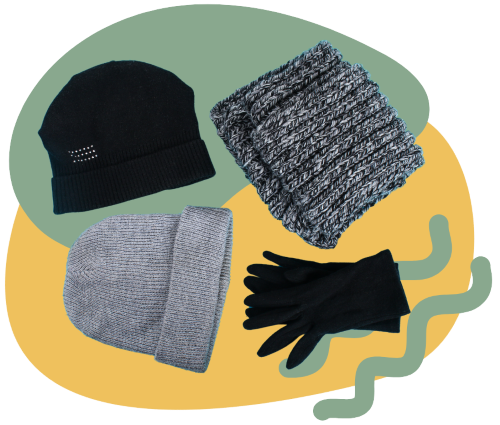
- Accessories for Survival: Hats, scarves, and gloves aren’t optional—they’re essential. Get a pair of gloves you can still use your phone with, because frostbite is real, and parents back in India need a reply to their texts ASAP, so what if it’s -5°C outside.
- Footwear Fit for Battle: Forget those stylish shoes you bought from India. In Germany, winter is all about survival. You’ll need boots that can conquer snow, ice, and the occasional slush puddle waiting to take you down. Sturdy, waterproof, and with grip strong enough to stop you from sliding into the next postcode. You’ll be stomping around like you’re leading an expedition to the North Pole, but at least you won’t fall on your face (hopefully).
Pro tip: Once winter’s done (and you’ll be counting the days), pack these clothes away in storage and mentally prepare yourself for summer.
Summer Wardrobe: Time to melt like an ice cube
Summer in Germany is a different ball game. It’s warm, it’s sunny, and the best part—no monsoon rains ruining your outdoor plans! But with highs of 30°C, you’ll want to leave behind the heavy fabrics and embrace breezy, light clothing. My nostalgia moment: travelling on the Mumbai Local at 7am from Borivali to Andheri.
For your summer wardrobe:
- Breezy Clothes: Cotton t-shirts, dresses, and anything that lets your skin breathe. When the German sun shines, it’s relentless—so get comfortable! A great chance to flaunt your colourful sarees ladies!
- Footwear Freedom: When summer finally arrives, it’s time to liberate your feet! Say goodbye to those winter boots and hello to sandals and sneakers. And if you’re feeling brave, bring out the flip-flops.
- Sun Protection: Don’t underestimate the sun in Germany. Sunglasses, sunscreen, and hats are your summer essentials unless you want to fry like a pakora.
Pro tip: After summer, wash and store these in a nice corner of your wardrobe, because fall and winter are lurking just around the corner.
Rain and Transitional Weather: Don’t Forget the Umbrella!
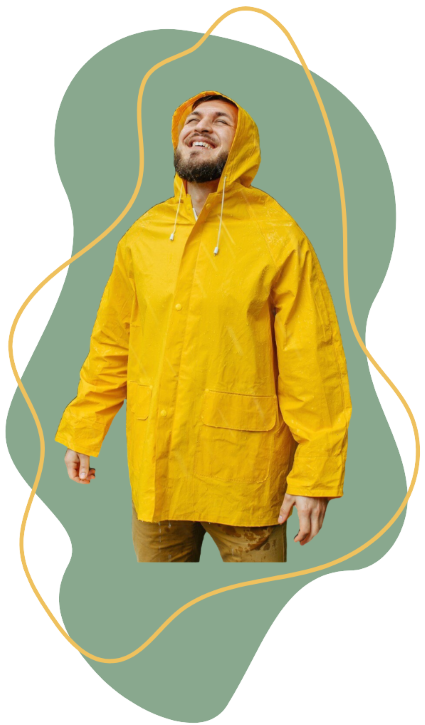
So, you’ve prepped your wardrobe for winter and summer, but hold up—what about spring and fall? These “transitional seasons” don’t get as much hype but will definitely keep you on your toes. Picture this: it’s March, the snow has finally melted, and just as you’re ready to stash that winter coat, you’re greeted with—rain. Lots of rain.
Germany is notorious for its unpredictable spring and fall weather, and rain is a frequent companion. One minute the sun’s shining, and the next, you’re soaked to the bone.
Here’s how to stay dry (and sane) during these transition months:
- Invest in a Raincoat: Forget the umbrella (though that helps too). A waterproof raincoat is your new best friend. It’s wind-resistant, stylish, and saves you from battling gusts of wind that turn your umbrella inside out.
- Waterproof Footwear: While those winter boots kept you warm, you’ll need something waterproof to battle the rain. Nothing ruins your day like soggy socks.
- Layer Smartly: During the transition periods, temperatures can swing wildly throughout the day. You might need a jacket in the morning and just a t-shirt by afternoon. Wear layers that you can easily take off or put on based on the unpredictable weather.
Pro tip: Always have a compact umbrella in your bag. The one day you leave it at home is the day it’ll rain, guaranteed.
Indoor Climate Considerations: From Freezer to Sauna in Seconds
One of the strangest things about winter in Germany is that, while the outdoors may resemble a frozen tundra, the inside of homes and buildings are warm enough to grow tropical plants. Central heating here is no joke—your flat, office, or the local café will often feel like a sauna compared to the icy streets.
How do you deal with the constant temperature flip-flop?
- Layer Strategically: Yes, layering again, but hear me out! In winter, you’ll want to wear light, breathable layers underneath your thick winter gear. That way, when you step into a toasty building, you can strip down without overheating.
- Carry a Tote Bag for Layers: If you’re out shopping or running errands, a foldable tote bag is great for stashing that scarf, hat, and gloves once you’ve warmed up.
- Mind the Shoes: Those heavy-duty winter boots that are perfect for snowy streets might not be as comfortable indoors. Consider packing a pair of lighter shoes or investing in some breathable boots for those in-between moments.
Pro tip: You might want to keep your thermostat in check to avoid living in a tropical rainforest indoors—19-21 °C is more than enough to stay cozy without sweating!

Download your Packing List for Germany!
Make your move to Germany stress-free with our Packing List for Indian Expats! This handy PDF covers everything you need to pack, including:
✅ Essentials like documents and gadgets
✅ Clothing & Apparel for every season
✅ Food & Cooking Supplies for your favorite Indian meals
✅ Toiletries & Personal Care items
✅ Miscellaneous Cultural Items to feel at home
✅ Bonus: Things to Keep in Mind before you go
Note: Flight luggage allowances can be quite limited, so it’s important to prioritize what’s most essential. (Sometimes, you might have to manage with just 21 kg).
Dealing with Overheating in Public Transport: The Sweaty Reality
Public transport is great in Germany—until you’re crammed into a packed bus or tram during winter and suddenly feel like you’ve stepped into a sauna. Most public transport systems aren’t known for their ventilation, so you might find yourself sweating while bundled in layers of winter gear.
How to stay cool (and sane) while commuting:
- Layer for Easy Removal: Stick with zippers over pullovers. It’s much easier to unzip a jacket than to wrestle with a pullover sweater in a crowded tram.
- Stash a Small Bag: For gloves, hats, and scarves—anything that you can peel off as soon as the heating starts kicking in.
- Pick Your Seat Wisely: If you have the option, sit near the door for better ventilation. Or if it’s not too crowded, stand by the window to avoid the body heat of a packed tram.
Pro tip: Use deodorant (seriously). You’re not the only one trying to survive the heat!
Shopping in Germany: Where to Get the Goods
Finding the right clothes for Germany’s seasonal shifts can feel like a scavenger hunt, especially if you’re new to the country. Here’s a quick guide to where you can stock up on all the essentials for winter, summer, and everything in between:
- Decathlon: For all things sporty and practical—this is your go-to for affordable winter coats, boots, and thermal wear. You’ll find durable and budget-friendly options for every outdoor condition.
- C&A and H&M: These European retail chains are perfect for picking up affordable, everyday essentials. From sweaters to scarves, they’ve got you covered for every season.
- TK Maxx: Think of it like treasure hunting. TK Maxx is great for finding high-quality items (hello, brand-name winter coats!) at discounted prices. Perfect for those who love a good bargain.
- Sales Season: In Germany, sales usually happen twice a year—right after Christmas in January and in late July. This is the perfect time to grab winter gear for the next year or snag summer clothes at a discount.
Pro tip: Check out local markets for one-of-a-kind accessories like scarves, hats, and gloves, made by local artisans. Stylish and supporting local businesses? Win-win.
Sustainability and Ethical Fashion: Save the Planet, One Layer at a Time
Germany is big on eco-friendliness, and you’ll quickly notice how sustainability plays into everything—including your wardrobe choices. While fast fashion may be tempting, investing in high-quality, sustainable clothes is not only better for the planet but also for your comfort. You want gear that will last through multiple seasons (and maybe multiple German winters).
Here’s how you can stay eco-friendly with your wardrobe:

- Thrift Stores & Secondhand Shops: Germany has plenty of second-hand stores (look for “Second-Hand-Laden”) where you can score some great winter coats or summer dresses. Plus, there’s a certain satisfaction in finding unique pieces!
- Sustainable Brands: Many German clothing brands pride themselves on sustainability—brands like Armedangels and Hessnatur produce eco-friendly, long-lasting garments. It might cost a bit more upfront, but your future self (and the planet) will thank you.
- Quality Over Quantity: Invest in fewer but higher-quality pieces that last longer. A good coat, sturdy boots, and well-made sweaters will carry you through multiple winters and cut down on the need for constant replacement.
Pro tip: If you want to stay trendy without hurting the planet, join local clothing swaps or check out flea markets—they’re everywhere in Germany!
Seasonal Storage: Making Space in Your Wardrobe
Now here’s where the fun really begins—finding smart storage solutions in small German flats can feel like a game of Tetris! Sometimes the wardrobes aren’t exactly designed for people with two sets of wardrobes, but with a little strategy, you’ll be fine.
- Vacuum Bags Are Your Best Friend: These magical bags shrink your bulky winter clothes, saving you tons of space. Perfect for storing jackets and sweaters until winter returns to haunt you.
- Storage Boxes: You’ll need to rotate your wardrobe based on the season. Keep the current season’s clothes easily accessible, and store away the rest under your bed, in the attic, or anywhere you can find space.
- Declutter Before Storing: This is a good time to Marie Kondo your life—if something doesn’t spark joy (or warmth in winter), it might be time to donate it.
Pro tip: Some clever ideas to store things efficiently – use your large suitcases for storage, find spots under the bed, on top of the wardrobe, use stick-on hooks behind all doors for small items, look for furniture with hidden storage and consider light fabric closets for small spaces like this one (shortened Amazon link for fabric wardrobe)
Bonus Tips: Adapting to the Weather in Germany
- Plan for the Transition Periods: Spring and autumn in Germany can be unpredictable. It’s best to keep some light sweaters and jackets handy as you transition from one season to the next.
- Mix and Match: As you adapt to German seasons, try to buy clothes that can be layered or worn across different seasons.

Conclusion: Laugh Through the Seasons
While adapting to Germany’s extreme seasons might feel overwhelming at first, just remember—you’re not alone! Everyone in Germany is going through the same wardrobe drama. And hey, once you’ve survived a German winter, you’ll have earned your badge of honour. By investing in the right clothes, learning how to rotate them efficiently, and finding a bit of humour in the chaos, you’ll be ready to tackle anything Germany’s weather throws at you.
Just remember—some days, you’ll look like a snowman, and other days, you’ll feel like you’re melting. But that’s all part of the fun, right? Oh and hey one personal experience to share, if you travel around during Winters in Europe – remember all your pictures will be in that one blue parka you would have invested in, so plan wisely.
About the Author: Nidhi Krümpelmann (Raval)