
When I first arrived in Germany, setting up a bank account was one of my top priorities. But the German banking system turned out to be quite different from what I’d been used to in India. In this article, I’ll share my banking journey, why I eventually chose a digital bank for everyday use, and some tips for Indian expats on managing finances in Germany.
Table of Contents
- Starting Out with a Well-Known International Bank
- Moving to a Local German Bank: Regional Banking Challenges
- The Cost of Sending Money to India
- The Shift to Digital Banking
- Post and paperwork
- Credit Cards
- Cultural difference: hesitance to use bank cards
- Indian Banks in Germany
- Other thing I learnt: Bank accounts for kids
- Tips for Indian Expats on Banking in Germany
- Final Thoughts
Starting Out with a Well-Known International Bank
My first bank account in Germany was with a well-known international bank. I chose it mostly because there was a branch nearby, making it feel convenient. However, I quickly discovered that “convenience” isn’t always as straightforward as it sounds in Germany. Unlike India, where most ATMs are free to use regardless of your bank, here each bank operates its own network, and using ATMs outside that network often incurs fees. Unfortunately, this particular bank had very few ATMs in my area, so I regularly faced extra charges when withdrawing cash.
Moving to a Local German Bank: Regional Banking Challenges

After relocating to North Rhine-Westphalia, I decided to try a popular German bank known for its extensive local presence across small towns and cities. This bank, though well-known for its stability, operates under a unique regional model. Each branch is independently managed by its local district, meaning that your account is tied to the specific branch where you opened it. At first, this setup seemed ideal, given the bank’s strong presence in my area, but I soon realized it had significant drawbacks.
When I moved to a new town within NRW, I ran into unexpected obstacles. Despite being just a couple of hundred kilometres away, I was required to travel back to my original branch to resolve even basic account issues, like resetting a password. Transferring my account from one branch to another was complicated, and my payments were temporarily disrupted as I worked to update all of my billing information. This regional structure of German banks might suit those who stay in one place, but it can be limiting for those who move around.
The Cost of Sending Money to India
One of my priorities has always been finding an affordable way to send money back to India. Initially, I relied on traditional banks for these transfers, but quickly found that fees were high, and the exchange rates were far from ideal. German banks tend to add hidden markups on their exchange rates, which isn’t immediately obvious until you compare them to market rates. For Indian expats like me, who need to send funds home regularly, this can add up quickly.
After some research, I switched to money transfer services like Wise and Remitly, which offer transparent fees and better rates. For instance, Wise gives a rate close to the real market rate, and both platforms are user-friendly, letting you know exactly what you’re paying before making a transfer. Remitly is also quick, which is helpful if you need to send money urgently.
The Shift to Digital Banking
Eventually, a friend recommended a digital banking service – Revolut, and this has truly changed how I manage my daily finances. This app-based bank supports Google Pay, making it easy to pay contactlessly in stores, and it allows me to transfer money abroad with just a few clicks. Now, I simply transfer a small portion of my funds each month to my digital account and use it for my day-to-day spending.
One of the best features is the ease of transferring money to India, where I can get a competitive rate with minimal fees. This has made managing my finances far less complicated and given me peace of mind with secure, quick transactions. Now, I keep my main bank card from the German bank safely stored and rely on my digital card for routine expenses and international transfers.

Post and paperwork
I was totally unprepared for the avalanche of paperwork that came with opening a bank account in Germany. In India, banking is a breeze—mostly digital, quick, and email-based. But here? Prepare yourself! High street banks seem to have a love affair with snail mail. Setting up an account meant my post box was stuffed daily with new letters: account confirmations, PIN codes, online banking setups, security reminders—each in its own official envelope, of course. If you’re new to Germany, trust me, get friendly with your post box! It’s almost like getting fan mail… only far less exciting.

Credit Cards
Credit cards here are quite different from what I was used to in India. Here, credit cards aren’t as commonly used for daily expenses—most people rely on their “EC” (debit) cards instead. But if you decide to get a credit card, be aware that not all cards are created equal! German credit cards come with various fee structures, interest rates, and perks (or lack thereof), and some don’t even offer the typical revolving credit we’re used to. It’s essential to compare options carefully—look for hidden fees, annual charges, and terms on repayments so you don’t end up paying more than you expect. Take your time to find the right fit!
Cultural difference: hesitance to use bank cards
One cultural difference that stood out to me as an Indian expat is the strong preference many Germans have for cash over bank cards. While in India, we’re increasingly using cards and digital payments for nearly everything (sometimes as little as 10 rupees or 80 cents to buy coriander), a lot of Germans—even younger people—still prefer good old-fashioned cash. Some of my friends here, for example, will choose cash wherever possible, and some outright refuse to use their bank cards for day-to-day purchases. Their hesitation often stems from privacy concerns; they worry about data tracking and want to avoid banks monitoring their spending habits. It’s a mindset that values privacy and control, with a dose of healthy scepticism around data leaks—something that’s far less of a concern in the more digitally enthusiastic Indian approach to payments!
Indian Banks in Germany
For you as an Indian expat exploring banking options in Germany, it’s worth noting that a few Indian banks do operate here, such as State Bank of India and Bank of Baroda. However, these branches mainly serve corporate clients or offer limited services tailored toward specific needs, such as business accounts or NRI banking for managing Indian accounts from abroad. They don’t offer the typical “Giro Konto” (current account) that’s essential for daily transactions like salary deposits, paying rent, or setting up automatic debits for utilities. Therefore, you will likely need a local German bank for your regular banking needs, especially if you plan to stay long-term.

Other thing I learnt: Bank accounts for kids
Germany offers special bank accounts for children, typically called “Jugendkonto” (youth account) or “Kinderkonto” (child account). These accounts are designed for young people, often starting as early as age 7, and can be a great way to introduce your kids to financial responsibility. Jugendkonto accounts usually have no monthly fees and come with basic features like a debit card, limited online banking, and sometimes even small interest earnings. They allow children to manage pocket money, make small purchases, or withdraw cash with parental oversight. Many parents in Germany open these accounts to help their children gradually learn money management skills in a secure and structured way. If you are here with children, it might be worth researching more about this.
Tips for Indian Expats on Banking in Germany
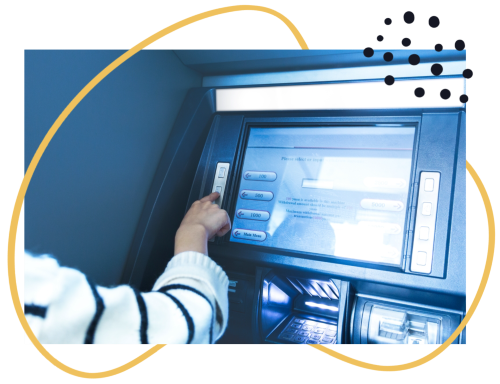
- Understand ATM Charges: In Germany, most banks charge fees if you use an ATM outside their network. To minimise these fees, either choose a bank with a large network in your area, or consider a digital bank if you prefer cashless transactions.
- Be Aware of Regional Limitations: If you choose a traditional German bank with a regional structure, know that your account will be linked to the specific branch where you opened it. This can be inconvenient if you plan to move frequently within Germany, as banking issues might require you to travel back to your original branch.
- Seek Cost-Effective Solutions for Money Transfers: Traditional banks charge high fees and may offer low exchange rates for sending money to India. Specialised services like Wise and Remitly provide more transparency and better rates, making them a practical choice for regular transfers.
- Consider Digital Banking Options: Digital banks offer flexible, cost-effective solutions for day-to-day expenses. Many of these services provide Google Pay, Apple Pay, and international transfers with minimal fees, making them ideal for expats looking for modern banking solutions.
Final Thoughts
My journey through the German banking landscape has been an enlightening one. Traditional German banks offer stability but often lack the flexibility expats need, particularly if you’re moving frequently or transferring money internationally. Digital banks have made it much easier for me to manage my everyday finances, offering a reliable alternative for both local and international transactions.
If you’re an Indian expat navigating the banking options in Germany, balancing a local account with a digital banking option can make all the difference. With the right setup, you can manage your finances efficiently, avoid unnecessary fees, and make the most of your time in Germany.
Disclaimer:
This article reflects my personal experiences and opinions. I am not a financial advisor, so please consider this as informational only. I strongly recommend doing your own research and consulting with a qualified professional to find the best banking options for your unique needs in Germany.
About the Author: Nidhi Krümpelmann (Raval)