
After understanding how to prepare for renting a property in Germany, it’s essential to set realistic expectations about the rental market and living conditions. As a community that has navigated this journey, we want to share some insights that can make your experience smoother. For a broader understanding of the rental landscape, including trends and popular neighbourhoods, you might want to start with our comprehensive Navigating the German Rental Market: An Expat’s Guide, which provides an overview of what to expect across different cities.
Table of Contents
- Estimating Your Rent Budget with Ease
- Setting Realistic Expectations in a Competitive Market
- Differences from Renting a Property in India
- Types of Apartments: Furnished, Unfurnished, and Partially Furnished
- Temporary Housing Options
- Landlords/Agents Speaking Little to No English
- Importance of Flexibility and Compromise in Finding a Property
- Structured Rental Process and Strict Tenancy Laws
- Conclusion
Estimating Your Rent Budget with Ease
Before diving into the rental search, it’s crucial to know how much of your salary you can allocate to rent. When we first moved to Germany, many of us were unsure about our budgets. Our Tax and income calculator is an excellent tool for this:
- Input Your Salary: Enter your annual salary and your place of residency in Germany.
- Calculate Affordability: The calculator will estimate how much you can comfortably spend on rent each month.
- Budget Planning: Use this information to set a realistic budget, ensuring you have enough for other living expenses and savings.
Additional notes
Rent:
Average living space per resident: 47.4 sq. meter or 510.2 sq feet
Nebenkosten average:
heating. water. garbage disposal and many other things
Public Transport:
Deutschland Ticket – valid in all public transport in every city + Regional intercity trains
Phone Contract:
An average Medium to Large phone+Internet plan. Phone not included
Bank Fee:
Most high steet banks that have a physical branch charge a base cost for operating the account. Online Banks are usually free for basic accounts
Internet WiFi:
50mbps line. This can increase if bandwidth is increased
TV License (per household):
if you are in a shared accomodation. this only needs to be paid as a household. and cost should be shared between all house members
Grocery average:
depends heavily on personal consumption. Smoking. meat. alcohol can increase the costs
Liability Insurance:
Optional cost, but very important to have
Tax and income calculator
Results:
Description
Amount
Income tax:
7.273,00 €
Social contribution:
Care insurance:
762,50 €
Health insurance:
4.075,00 €
Unemployment insurance:
650,00 €
Pension Insurance:
4.650,00 €
Sum:
Salary after Tax and Social Contribution
Yearly:
32.589,50 €
Monthly:
2.715,79 €
Costs of Living*
Rent in Berlin:
816,70 €
Additional costs rent:
100 €
Electricity:
55 €
Public Transport:
49 €
Phone Contract:
15 €
Bank Fee:
10 €
Internet WiFi:
25 €
TV License (per household):
18 €
Grocery average:
200 €
Liability Insurance:
5 €
Disposable Income:
1.422,09 €
Before diving into the rental search, it’s crucial to know how much of your salary you can allocate to rent. When we first moved to Germany, many of us were unsure about our budgets. Our Tax and income calculator is an excellent tool for this:
- Input Your Salary: Enter your annual salary and your place of residency in Germany.
- Calculate Affordability: The calculator will estimate how much you can comfortably spend on rent each month.
- Budget Planning: Use this information to set a realistic budget, ensuring you have enough for other living expenses and savings.
Tax and income calculator
Results:
Description
Amount
Income tax:
7.273,00 €
Social contribution:
Care insurance:
762,50 €
Health insurance:
4.075,00 €
Unemployment insurance:
650,00 €
Pension Insurance:
4.650,00 €
Sum:
Salary after Tax and Social Contribution
Yearly:
32.589,50 €
Monthly:
2.715,79 €
Costs of Living*
Rent in Berlin:
816,70 €
Additional costs rent:
100 €
Electricity:
55 €
Public Transport:
49 €
Phone Contract:
15 €
Bank Fee:
10 €
Internet WiFi:
25 €
TV License (per household):
18 €
Grocery average:
200 €
Liability Insurance:
5 €
Disposable Income:
1.422,09 €
Additional notes
Rent:
Average living space per resident: 47.4 sq. meter or 510.2 sq feet
Nebenkosten average:
heating. water. garbage disposal and many other things
Public Transport:
Deutschland Ticket – valid in all public transport in every city + Regional intercity trains
Phone Contract:
An average Medium to Large phone+Internet plan. Phone not included
Bank Fee:
Most high steet banks that have a physical branch charge a base cost for operating the account. Online Banks are usually free for basic accounts
Internet WiFi:
50mbps line. This can increase if bandwidth is increased
TV License (per household):
if you are in a shared accomodation. this only needs to be paid as a household. and cost should be shared between all house members
Grocery average:
depends heavily on personal consumption. Smoking. meat. alcohol can increase the costs
Liability Insurance:
Optional cost, but very important to have
This calculator currently determines taxes based on Tax Class 1 – for employees who are single or for those whose spouses live abroad. Understanding tax classes is very important as it changes based on your current situation and so does the corresponding tax rate.
The expenses are also calculated for a single person household. Having family, spouse or a child/children can affect your expenses.
We will soon be releasing another version of the calculator that can take other tax classes and family sizes into consideration.
Setting Realistic Expectations in a Competitive Market
Germany’s rental market, especially in cities like Berlin, Munich, and Frankfurt, is highly competitive. Here’s what to expect:

- High Demand: Be prepared for stiff competition. Popular properties can get multiple applications quickly. We’ve experienced this first-hand when searching for apartments in Berlin – some listings had dozens of inquiries within hours.
- Quick Decisions: When you find a suitable property, act fast. Delays can result in losing the opportunity.
- Preparedness: Have all your documents ready to submit immediately after a viewing. To get a comprehensive overview of what documents you’ll need and how to prepare, we recommend reading our detailed article on preparing to rent a property in Germany
4. Be Patient: Finding a rental property according to your requirements and expectations may take time (at least in bigger cities like Berlin and Munich). So try to keep your expectations low and be patient until you find your first home.
5. Be Flexible: Keep your desired location flexible as well as your expectations. Sometimes you may not find the home as you desired. Be prepared to adjust your schedule to attend viewings at short notice.
Differences from Renting a Property in India
Renting in Germany differs significantly from renting in India. Understanding these differences can help set your expectations:
- Unfurnished Apartments: Most rental properties in Germany are unfurnished. This means you may need to purchase furniture and appliances. We were surprised to find that some apartments didn’t even come with light fixtures or a fitted kitchen.
- Lack of Kitchens and Appliances: It’s common for German rentals to come without a fitted kitchen. You might need to install your own or buy from the previous tenant.
- Strict Tenancy Laws: Germany has stringent tenancy laws, protecting both tenants and landlords. Familiarize yourself with these to avoid surprises.
- Renting Period: In India, landlords usually rent for shorter period because of ever changing and flexible renting. However, this is very uncommon in Germany and usually renting period is at least 1 year.
- Requirements: India has a flexible rental market and therefore, documents like financial proof, job contract, etc., are not usually required whereas Germany has a structured rental market where all the financial proofs such as pay slip, job contract, bank statement, etc. are required.
- Rent: Germany has two different rents namely “Kaltmiete” (cold rent) and “Warmmiete” (hot rent). Cold rent does not include utility cost and maintenance fees, while hot rent includes utility cost and maintenance fees. In India, utility cost varies from landlords and agreement.
Types of Apartments: Furnished, Unfurnished, and Partially Furnished
When renting in Germany, it’s important to understand the different types of apartments available, as this can significantly impact your living experience and initial setup costs:
- Unfurnished Apartments: The majority of rental properties in Germany are unfurnished. This means they come as a blank slate, often without basic items like light fixtures or even a fitted kitchen. While this allows you to personalize the space with your own furniture, it also means you’ll need to invest in everything from appliances to curtains.
- Partially Furnished Apartments: Some apartments may come with certain fixtures, such as a kitchen or bathroom cabinets, but still lack other essentials like beds, sofas, or wardrobes. This can be a good middle ground if you want to avoid the hassle of installing a kitchen, but still prefer to bring your own furniture.
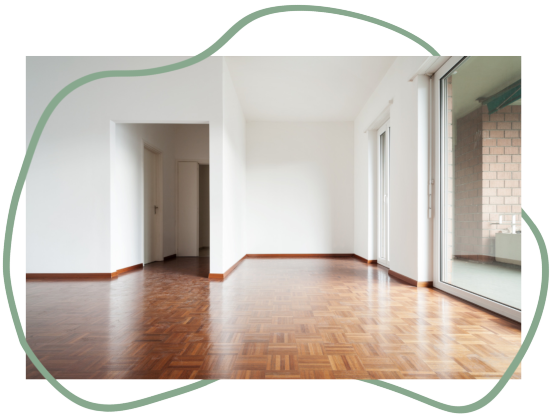
- Furnished Apartments: Fully furnished apartments are less common, but they do exist, especially in bigger cities and for short-term rentals. These apartments come equipped with all necessary furniture and appliances, making them ideal for expats who may not want to invest in household items immediately or are staying in Germany for a limited period.
Understanding these different options will help you decide what suits your lifestyle and budget best. If you’re looking for a quick and easy move-in process, a furnished apartment might be the way to go. However, if you’re planning a longer stay and want to create a more personalized living space, an unfurnished apartment could be more appropriate.
Temporary Housing Options
If you are moving to Germany and don’t secure an apartment immediately, consider using temporary housing options like Wunderflats, City Wohnen or Housing Anywhere. They offer furnished apartments for short-term stays, which can provide a comfortable and convenient living arrangement while you search for a permanent home. These options allow you to settle in quickly and explore different neighborhoods without the immediate pressure of finding a long-term rental.
Another significant advantage of using these platforms is that you can use the address of the rented apartment for your registration in Germany. This registration, known as “Anmeldung,” is a crucial step to officially establish your residency in Germany. With the registration confirmation, you can, for example, open a bank account, which is essential for living in Germany. They not only provide a comfortable temporary housing solution but also simplifies important formalities upon your arrival.
Landlords/Agents Speaking Little to No English
While many Germans speak English, you might encounter landlords or agents who prefer to communicate in German:

- Language Barrier: Be prepared for potential language barriers. Having a German-speaking friend or translator can be helpful. We’ve found it useful to learn some basic phrases and use translation apps during our search.
- Learning Basic Phrases: Learning basic German phrases related to renting can ease communication.
- Translation Apps: Use translation apps to help understand rental agreements and communicate with landlords.
Importance of Flexibility and Compromise in Finding a Property
Finding the perfect property may require flexibility and compromise:
- Be Open to Different Locations: If your preferred area is too competitive or expensive, consider nearby neighbourhoods. When we couldn’t find places in central Munich, we looked at suburbs and found lovely apartments with better amenities.
- Compromise on Features: You might not find a property that meets all your criteria. Prioritize your must-haves and be flexible on other aspects.
- Adjust Expectations: Understand that some features common in India might be rare in Germany, such as fully furnished apartments.
Structured Rental Process and Strict Tenancy Laws
Germany’s rental process is structured and regulated:
- Rental Applications: Be thorough and prompt with your application. Include all required documents and information.
- Tenancy Contracts: Read and understand your tenancy contract before signing. It’s legally binding and includes important terms and conditions.
- Tenant Rights: Germany has robust tenant rights. Familiarize yourself with these to ensure you’re treated fairly and understand your responsibilities.
- Termination Period: Most rental contracts in Germany are open-ended. Therefore, termination requires notice period. The notice period varies based on the length of time a tenant has lived in the property. It is important to note here that this termination notice period is only applicable to landlords when they want to terminate the contract with the tenant. The normal termination period looks like this:
- For 0-5 years: minimum notice period is 3 months
- For 5-8 years: minimum notice period is 6 months
- For 8+ years: minimum notice period is 9 months
- House Rules (Hausordnung): Germany has structured house rules designed to maintain order and respect among each other. Some common house rules are:
- Quiet Hours: Germany generally observes quiet hours between 10 p.m. to 6 a.m. on weekdays, on Sundays and on public holidays.
- Waste Disposal: Waste disposal and recycling are strictly enforced. Waste needs to be disposed in their respective bins according to plastic, paper, organic waste, and general waste.
Conclusion
Setting your expectations appropriately is crucial when renting in Germany as an Indian expat. Using tools like our Rent Affordability Calculator can help you budget effectively, while understanding the competitive market and differences from renting in India will prepare you for the search. Embrace flexibility and be prepared for a structured rental process to make your transition to living in Germany as smooth as possible. By staying informed and adaptable, you can find a property that suits your needs and start enjoying your new life in Germany.
* This article contains affiliate links. If you click on the product links in this article and make a purchase, we earn a small commission. It won’t make any difference to you in price. We only recommend products and services we trust and believe will be beneficial to our readers. This helps support our efforts in bringing you valuable content. Thank you for your support!

Renting in Germany: A Step-by-Step Roadmap for Indian Expats
Below is an interactive guide to help you navigate each stage of renting a property in Germany. Click on any step to jump directly to the corresponding article.



About the Author: Madlene Herburg