
For Indian families relocating to Germany, the education system provides more than just academic knowledge—it serves as a critical bridge to understanding and integrating into German culture. This article explores how Indian children can leverage educational opportunities to smoothly transition into their new environment, benefit from extracurricular activities, and overcome potential challenges with the support of their community.
Table of Contents
Cultural Integration Through Education
Facilitating Smoother Cultural Integration
Participation in the German education system plays a pivotal role in helping Indian children assimilate into a new cultural setting. Schools are not just places for academic learning but are environments where social norms, cultural values, and the German language are actively taught and practiced. Here are some of the features of the German school system that can facilitate smoother cultural integration for Indian children:
Language Support Programs
One of the key challenges for Indian children in German schools is the language barrier. However, the system provides intensive German language classes, immersion programs, and “welcome classes” specifically designed to help non-native speakers quickly acquire German proficiency before transitioning into regular classes. This focused language support eases the initial integration hurdle.
Student-Centered Pedagogy
German schools emphasize student-centered, inquiry-based learning approaches like group work, role-plays, and hands-on activities. This interactive teaching methodology can help Indian children adapt better to the new educational environment and develop critical thinking skills valued in German society.
Multicultural Exposure
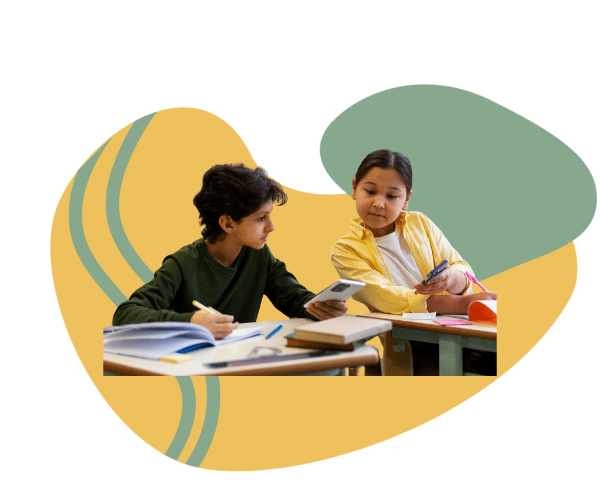
With a significant immigrant population, German classrooms tend to be multicultural environments. This exposes Indian children to diversity from an early age and normalizes cultural differences, facilitating smoother social integration. Schools often organize events, festivals and field trips in order to introduce students to the German culture. This helps in reducing cultural shock and homesickness. Additionally, it builds a sense of belonging and emotional well-being.
Holistic Development Focus
The German school system places importance on developing independence, social skills, and values like teamwork through self-organized and experiential learning activities. This holistic approach nurtures the soft skills needed for cultural adaptation.
Hence, by attending school, children interact daily with peers from diverse backgrounds, learning the German language, customs, holidays, and everyday life which significantly aids in their cultural integration.
Supporting Your Child’s Transition
Parents play an essential role in supporting their children through this transition. Encouragement to participate fully in school life, including open communication about their experiences, helps children navigate their new world. Here are some tips for parents:

Encourage Learning German
- Emphasize the importance of learning the German language fluently. Enroll children in intensive German classes or tutoring if needed.
- Practice speaking German at home and expose them to German media, books, music, etc.
- Appreciate their children’s efforts in picking up the new language. Fluency in German is key for academic and social integration.
Familiarize with German Culture
- Learn about German cultural norms, values, and traditions and share them with your children.
- Celebrate German festivals and holidays along with Indian ones to create a multicultural experience.
- Encourage participation in school/community cultural events and extracurricular activities.
- Discuss similarities and differences between Indian and German cultures openly.
Build Connections
- Make efforts to connect with local German families and communities. This exposes children to cultural immersion.
- Join parent groups at school to understand the education system better.
- If possible, travel within Germany during vacations to experience the cultural diversity.
- Encourage them to join student groups, clubs and cultural events.
- Motivate them to communicate with local and international peers.
Maintain Indian Roots
- While adapting to the new culture, ensure your children stay connected to their Indian heritage through language, festivals, food, media, etc.
- A strong sense of identity aids confidence and self-esteem during integration.
- Share stories about your cultural traditions and values. Celebrate Indian festivals together.
- Encourage your children to join Indian dance, music or art classes.
- Cook and enjoy traditional Indian meals at home.
Communicate with the School
- Stay involved with your child’s school and teachers. Discuss any concerns about cultural gaps.
- Inquire about programs that support cultural integration for immigrant students.
- Provide context about your cultural background to aid teachers in being culturally sensitive.
Extracurricular Activities and Their Benefits
Overview of Activities
Extracurricular activities are an integral part of schooling in Germany. They are designed to complement the academic curriculum, support holistic child development and contribute to quicker cultural assimilation. Common extracurricular activities offered in German schools include:
- Sports clubs (e.g. football, basketball, gymnastics)
- Music and arts programs (e.g. choir, orchestra, drama, painting)
- Language clubs (e.g. English, French, Spanish conversation groups)
- STEM clubs (e.g. robotics, coding, science experiments)
- Outdoor activities (e.g. hiking, camping trips)
- Community service projects
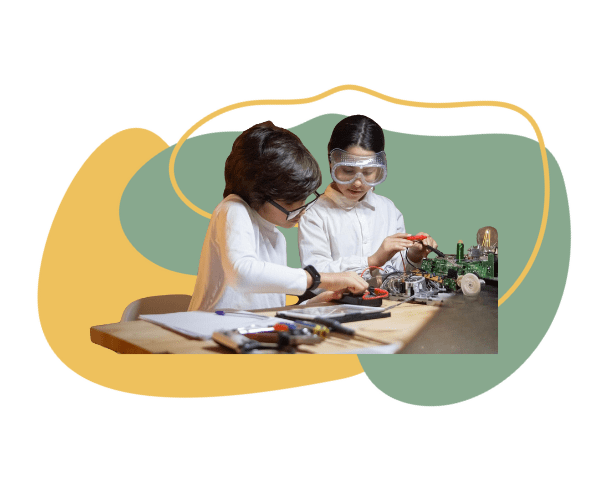
Engaging in these activities has several important benefits for child development:
- Social Skills Development: Extracurricular activities provide opportunities for teamwork, communication, and building friendships, fostering important social and interpersonal skills.
- Exploring Interests and Talents: Children can discover new interests, develop existing talents, and find passions outside of academics through diverse activity options.
- Time Management and Responsibility: Balancing extracurriculars with academics teaches children time management, discipline, and responsibility from an early age.
- Physical and Mental Well-being: Engaging in enjoyable activities can improve physical fitness, reduce stress, and provide an outlet for physical activity and exercise.
- Cultural Exposure: Participating in cultural activities like music, art, or language clubs exposes children to diverse perspectives and traditions.
- Skill Development: Extracurricular activities nurture skills like leadership, problem-solving, creativity, and public speaking that benefit overall development.
Choosing the Right Activities
Choosing extracurricular activities that align with a child’s interests can greatly enhance their enthusiasm for school and ease their cultural adaptation. Here are some tips for parents:

Explore Your Child’s Interests
- Have open conversations with your child about their hobbies, talents, and areas of curiosity before moving to Germany.
- Identify activities they already enjoy like sports, music, art, coding, etc. This makes transitioning to similar German activities easier.
Research Local Activity Options
- Look into the extracurricular programs offered by your child’s prospective German school and in the local community.
- Activities like sports clubs, music/art classes, STEM clubs, etc. are commonly available and great for cultural immersion.
Encourage Trying New Activities
- Consider activities that provide a balance between familiar interests (such as cricket or chess) and new opportunities (like skiing or German folk dancing).
Consider Language Learning
- Enroll your child in a German language club or conversation circle. This aids academic integration and social bonding.
- Look for activities taught bilingually to ease the transition while improving German proficiency.
Facilitate New Friendships
- Team sports, group activities, and community service projects provide opportunities to make local friends naturally.
- Having German friends accelerates cultural understanding and a sense of belonging.
Maintain Indian Roots
- Also look for Indian cultural clubs/activities to celebrate your heritage while in Germany.
- This balance nurtures self-identity and confidence during the integration process.
Communicate with Schools
- Discuss your child’s interests and needs with teachers/activity coordinators.
- They can guide you towards suitable programs and create an inclusive environment.
Navigating Challenges and Finding Support
Common Challenges
Until now, we have discussed the role of schooling and extracurricular activities in supporting child development and cultural integration. Ensuring a smooth cultural transition requires understanding and accepting the challenges faced by Indian children in German schools and the support systems that exist to overcome these. Here are the major challenges:
- Language Barrier: The primary challenge is the language barrier. Attending a regular German school requires proficiency in the German language, which can be daunting for children who have just moved to Germany from India.
- Cultural Differences: Adjusting to different teaching styles, classroom environments, and educational expectations can be challenging for Indian children accustomed to the Indian education system’s approach.
- Social Integration: Integrating into a new peer group, especially without strong language skills, can be difficult for Indian children, impacting their social life and academic performance.
Strategies and Resources
To overcome these challenges, it is important for parents to access the available resources:
- Language Support: Enrolling children in language courses or support programs offered by schools can help them gain proficiency in German. Many German schools provide additional language support for non-native speakers.
- Engaging with School Community: Active involvement of parents in school activities and parent-teacher associations can help families integrate into the school community and better understand the education system.
- Exchanging Experiences with Indian Community: Engaging with other Indian families who have been through similar experiences can provide both practical advice and emotional support. Many cities in Germany have vibrant Indian communities with organized groups that hold regular meetups, cultural events, and support networks, which can be invaluable.
- Consultants and Expat Groups: Educational consultants and expatriate community groups can offer guidance tailored to the needs of Indian families.
- Extracurricular Activities: As discussed earlier, encouraging children to participate in sports, arts, or other extracurricular activities can aid in social integration and holistic development.
- Maintaining Cultural Identity: While adapting to the new culture, ensuring children stay connected to their Indian heritage through language, festivals, food, and media can nurture self-identity and confidence during the integration process.
- Patience and Persistence: Learning a new language and adapting to a different culture takes time. It’s important for families to be patient and persistent in their efforts to overcome challenges.
- Emotional and Psychological Support: Encourage your children to share their experiences and challenges. Support them by reassurance and motivation.
By using these techniques and resources, Indian families can effectively support their children’s smooth transition into the German education system.
Conclusion
Education is a powerful tool for helping Indian children integrate into German culture. By embracing both the formal educational opportunities and the extracurricular activities available, and by actively seeking support when needed, Indian parents can ensure their children not only adapt to but thrive in their new surroundings. The journey might have its challenges, but with the right approach, it can be a profoundly enriching experience for the whole family.

About the Author: Paras Mehta
