Finding job opportunities in Germany requires a multichannel approach. While traditional job boards are important, successful job hunting here often involves a combination of online and offline strategies. As an Indian expat, understanding where to search, how to network, and which resources to leverage will significantly improve your chances of finding the right job.
In this article, we’ll explore the best job platforms, networking strategies, and tips specifically tailored for Indian expats seeking employment in Germany.
Table of Contents
Top Job Platforms for Finding Jobs in Germany
StepStone
StepStone has become a go-to resource for professional positions, especially in tech and engineering. What makes it particularly useful for Indian professionals is its user-friendly interface in English and detailed listings, including salary information. It allows users to filter jobs by various criteria, such as language requirements, making it easier for international applicants to find relevant positions.
Indeed
Indeed is a widely used job search engine that aggregates listings from various sources, providing a comprehensive view of available positions. Its web crawler function ensures a broad range of job postings, making it ideal for those looking for diverse opportunities. Additionally, Indeed offers personalized job alerts, so you don’t miss out on roles that match your skills and interests.
Careerbee
Careerbee is a noteworthy platform designed specifically for international applicants seeking jobs in Germany. It offers filters for language requirements and highlights employers open to sponsoring work visas. This makes it an ideal choice for Indian expats searching for English-speaking roles without the need for fluency in German.

LinkedIn is not just a networking platform; it also serves as an effective job search tool. Users can connect directly with recruiters and receive personalized job recommendations based on their profiles. It’s particularly useful for professionals looking to leverage their networks. While LinkedIn is excellent for finding English-speaking positions, you’ll also want to establish a presence on XING—think of it as the German LinkedIn. Many local companies and recruiters prefer XING, especially for German-speaking positions.
Arbeitnow
Arbeitnow is equally valuable for international jobseekers. This platform specializes in roles that don’t require German language skills and features companies actively looking to hire foreign talent. With its user-friendly interface and focus on inclusivity, Arbeitnow makes the job search process easier for newcomers to the German job market.
Federal Employment Agency’s job portal
The Federal Employment Agency’s job portal (Arbeitsagentur) might seem daunting at first with its German interface, but don’t let that deter you. It’s actually one of the most comprehensive job databases in Germany.
Make It in Germany
Another great resource is the Make It in Germany website. It is designed for international jobseekers and also provides valuable information about visa requirements and the recognition of foreign qualifications.
Found the right job platform? Great! Now, let’s make sure your application stands out. Continue reading Part 3: Crafting the Perfect Job Application for Germany – A Guide for Indian Expats for tips on writing a German-style CV and cover letter.

Boost Your Chances with Our Job Application Starter Kit
Landing a job in Germany requires more than just finding the right job platforms. Your application documents need to meet German standards to make a strong first impression. Many Indian expats struggle with crafting a German-style CV or writing an effective cover letter that resonates with local employers.
To help you navigate the process, we’ve created an exclusive Job Application Starter Kit designed specifically for international professionals applying for jobs in Germany.
What’s Included in the Job Application Starter Kit?
✅ German-Style CV Template (Lebenslauf) – A professionally designed CV template that follows German formatting standards.
✅ Cover Letter Template (Bewerbungsschreiben) – A sample cover letter that shows you how to present your skills and motivation effectively.
✅ LinkedIn Profile Optimization Tips – Learn how to make your LinkedIn profile more attractive to German recruiters.
✅ AI-Powered Tools Recommendations – Get tips on how to use AI tools like ChatGPT and Grammarly to improve your application documents.
Why Use Our Starter Kit?
German employers have specific expectations when it comes to résumés and cover letters. Simply translating your existing documents won’t work. Our Starter Kit provides practical templates and actionable advice to ensure your application looks professional and meets local standards.
👉 Download the Job Application Starter Kit Here
Networking and LinkedIn Optimization
Job search isn’t just about submitting applications and waiting for responses. It’s also about building relationships and making connections that can open doors to opportunities you might not find otherwise. LinkedIn has become an indispensable tool for jobseekers worldwide, and it’s particularly powerful for international professionals looking to break into the German job market. As an Indian expat, leveraging LinkedIn effectively can open doors to opportunities you might not find elsewhere. Here’s how you can make the most of this platform to find job opportunities in Germany.
Optimize Your LinkedIn Profile for the German Market
First impressions matter, and your LinkedIn profile is often the first place recruiters will look.
- Professional Headline and Summary: Craft a compelling headline that highlights your key skills and the type of position you’re looking for. For example, “Software Engineer specializing in AI | Seeking opportunities in Germany.”
- Detailed Experience: Include all relevant work experience, focusing on roles and achievements that align with the German job market. Use bullet points to make your accomplishments easy to read.
- Skills and Endorsements: Add skills that are in demand in Germany and request endorsements from colleagues and supervisors.
- Language Proficiency: Indicate your proficiency in German, even if it’s basic. This shows your willingness to adapt and can be a plus for recruiters.
- Professional Photo: Use a professional-looking photo. This is essential on LinkedIn.
- Consistency: Keep your profile updated and consistent with your résumé.
- Availability Settings: Adjust your settings to let recruiters know you’re open to opportunities.

Network with German Professionals
Building a strong network is essential, and LinkedIn is an effective platform for networking and establishing a professional online presence.
- Connect with Alumni: If you attended university, connect with alumni who are working in Germany. They might offer valuable advice or even refer you to openings.
- Follow German Companies: Keep an eye on companies you’re interested in by following their pages. This lets you stay updated on their latest news and job postings and learn about their culture, employee backgrounds, and hiring practices.
- Connect with recruiters and professionals: Identify recruiters who specialize in placing international candidates in Germany and professionals active in your field. When reaching out to connect with German professionals or recruiters, introduce yourself briefly and express genuine interest. Remember to use polite and formal language. For example: “Hello Ms. [Last Name], I admire your work in renewable energy. As an electrical engineer with solar power experience, I’m eager to explore opportunities in this field in Germany and would be grateful to connect. Best regards, [Your First Name and Last Name]“.
- Engage with Content: Comment on and share posts from German professionals and companies. This increases your visibility and shows your engagement with the industry.
- Participate in Events: Both in-person and virtual events are advertised on LinkedIn. Attend online events and live sessions hosted by German companies or industry groups to learn and interact with professionals. In-person networking events, particularly industry-specific meetups and conferences, can be incredibly valuable.
- Join Relevant Groups: Participate in LinkedIn groups related to your industry and the German job market. For example, groups like “Jobs in Germany” or “Expats in Germany”.
Tips for International Students Seeking Job Opportunities
For students and recent graduates, Germany offers a variety of resources specifically designed to help you find internships, part-time jobs, and entry-level positions that complement your studies and kickstart your career.
University Career Centres
University Career Centres are an excellent starting point. Most German universities have dedicated career services that offer:
- Exclusive Job Listings: Access to internships and student jobs not advertised elsewhere.
- Workshops and Seminars: Training on résumé writing, interview skills, and job search strategies.
- Career Fairs: Opportunities to meet potential employers directly on campus.
For example, the Technical University of Munich (TUM) hosts regular career events and has an online portal where companies post positions specifically for TUM students.
Jobmensa
Online platforms like Jobmensa specialize in connecting students with employers offering part-time work, internships, and Werkstudent positions (working student roles). This platform is particularly useful if you’re looking to gain practical experience alongside your studies.
Absolventa
Absolventa is another student-focused job portal that offers a wide range of opportunities, from internships to graduate programs. It also provides valuable resources like salary guides and career advice tailored to young professionals.
DAAD
A key resource for international students is German Academic Exchange Service (DAAD). DAAD provides:
- Information on Part-Time Work: Guidance on legal regulations for international students working in Germany.
- Internship Opportunities: Listings and advice on finding internships relevant to your field of study.
- Scholarship Programs: Financial support options that might include work placements.
Company Career Pages
Company Career Pages are also worth exploring. Many German companies have dedicated sections for student opportunities. Here are some examples:
- Siemens Student Programs: Offers internships, thesis projects, and working student positions across various departments.
- BMW Careers for Students: Provides opportunities in engineering, IT, business, and more.
- BASF Student Jobs: Features internships and student programs in the chemical industry.

LinkedIn and XING
Don’t forget to utilize networking platforms. On LinkedIn and XING, you can join groups and forums specifically for students and young professionals in Germany. Engaging with these communities can lead to opportunities that aren’t publicly advertised.
Job Fairs and Career Events
Job Fairs and Career Events are invaluable for making personal connections:
- University-Sponsored Fairs: Universities often host career days, where companies set up booths to meet students.
- Public Career Fairs: Events like Connecticum in Berlin are open to students nationwide and feature hundreds of employers.

Understanding Working Regulations for Students
As an international student, it’s crucial to be aware of the legal restrictions on employment:
- Working Hours: Non-EU students are generally allowed to work 120 full days or 240 half days per year without needing a work permit.
- Internships: Mandatory internships required by your study program usually don’t count towards this limit, but voluntary internships might.
- Taxes and Social Security: If you earn less than €520 per month (a “mini-job”), you are typically exempt from paying taxes. However, your employer must register you properly.
Always check the latest regulations on the DAAD website or consult your university’s international office to ensure compliance.
Explore English-speaking Jobs with our English-speaking Jobs List
Finding a job in Germany does not only require correct CV format, cover letter and networking skills, it also demands a hold on language. While for some expats speaking in German may not be a problem it can be a bit challenging for others. Therefore, we have prepared an English-speaking Jobs List designed specifically for international professionals applying for jobs in Germany.
What’s Included in English-speaking Jobs List
✅ 100+ English-speaking Jobs – A comprehensive list of more than 100 companies that offer English-speaking jobs.
✅ Multiple Industries – The jobs are from various industries, thus allowing you to choose a perfect job from many different options.
✅ Entry Level Salary – Understand entry level salary structure of different companies from different industries.
✅ Job Type and Company Size – Get a detailed view on the company size and the type of jobs (on-site, remote or hybrid) they provide along with the location of their headquarters.
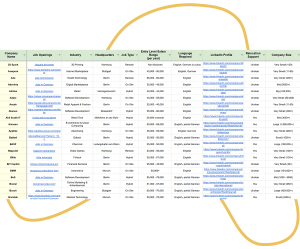
👉 Download the English Speaking Jobs List Here
Conclusion
Finding a job in Germany requires a combination of online and offline efforts. While job platforms are an excellent starting point, networking and personal connections play a crucial role in the German job market. By leveraging LinkedIn, attending career fairs, and using student resources, you’ll be well on your way to finding your ideal job in Germany.
Once you’ve found the right job opportunities, it’s time to tailor your application to German standards. Learn how to craft a standout résumé and cover letter in Part 3 of our guide: Crafting the Perfect Job Application for Germany.
Additional Resources
For more detailed information and support in your job search, consider exploring the following:
- The Federal Employment Agency’s statistics and job listings at arbeitsagentur.de
- Our detailed Job Application Starter Kit at heyexpat.de/heywrite/
- Career resources from DAAD at daad.de/en/study-and-research-in-germany/
Your dream job in Germany is within reach. With dedication, the right resources, and a strategic approach, you can successfully navigate the German job market and begin an exciting new chapter in your career.
About the Author: Paras Mehta
