
As an Indian relocating to Germany, the culinary landscape can be quite different from what we’re used to. Understanding these differences and knowing how to navigate them will help you feel more at home while enjoying the rich diversity Germany has to offer.
Table of Contents
- 1. Understanding German Food Culture: A Guide for Indian Expats
- 2. Key Differences Between Indian and German Food Culture
- 3. Experiencing Food Culture Shock: Tips for Indian Expats
- 4. Vegetarianism in Germany: Navigating the Meat-Heavy Cuisine
- 5. Watch Out for Hidden Animal Substances
- 6. Adapting to the German Way of Eating: Tips for Indian Expats
- 7. Common Meats and Their German Names: A Quick Reference
- 8. Exploring Germany’s Rich Bakery Culture
- 9. German Bakeries and Indian Street Food: A Surprising Connection
- Final Thoughts
1. Understanding German Food Culture: A Guide for Indian Expats
The food culture in Germany is deeply rooted in its history, geography, and social customs. Here are some key elements:
- Meals and Timing: Germans typically have three main meals—Frühstück (breakfast), Mittagessen (lunch), and Abendbrot (dinner). Breakfast and lunch are usually the most substantial meals of the day. Abendbrot, or “evening bread,” is a lighter meal often consisting of bread, cheese, cold cuts, and salads.
- Bread as a Staple: My Indian palate clashes with my German husband’s bread obsession, leading to daily negotiations about meals. Bread, in its various forms, is a cornerstone of German cuisine. It’s not just a side dish but often the centerpiece of a meal, especially in the evenings. German bread is dense and hearty, and there are hundreds of varieties to choose from. More about the bread and bakery culture below.
- Seasonal and Local Eating: Germans value seasonal and locally sourced ingredients. Farmer’s markets are popular, and many traditional dishes reflect the season’s bounty.
- Drinking Culture: Beer is almost a cultural symbol in Germany, and it’s common to have a beer with meals, especially during social gatherings. Wine is also enjoyed, particularly in regions like the Rhineland and Bavaria.
2. Key Differences Between Indian and German Food Culture
- Spices and Flavours: Indian cuisine is known for its vibrant use of spices and complex flavours, often including a mix of fresh herbs and masalas. German food, by contrast, tends to be milder and more focused on the natural flavours of ingredients. Spices like salt, pepper, mustard, and horseradish are common, but you won’t find the same depth of spice combinations as in Indian cooking. However, German cuisine is unique in its own way!
- Meal Composition: While Indian meals typically include a variety of hot dishes like rice, breads (chapati or naan), curries, pickles, and sides, German meals are more straightforward. They often feature a single main dish accompanied by a side dish of bread or potatoes. Cold dishes, such as sandwiches or salads, are also commonly eaten as meals.
- Vegetarian Options: In Germany, while vegetarianism is becoming more popular, traditional cuisine is meat-heavy, with pork, sausages, and beef featuring prominently.
- Cooking Techniques: German cuisine mostly relies on cooking techniques like roasting, baking, stewing and boiling. German dishes are cooked with butter, cream or animal fat. This is completely different to Indian cuisine, where we frequently use cooking techniques like frying, slow-cooking, and tempering (tadka). Most of the Indian items are cooked with ghee (clarified butter), mustard oil, or vegetable oils.
- Breads and Grains: India is home to various types of flatbreads like naan, roti, paratha, dosa and many more. Rice is also a staple especially in South and East India, whereas Germany is known for its rich variety of breads like rye bread, sourdough, etc.
- Dairy Products: German food uses milk, cream and cheese in cooking and desserts. Indian food is heavily dependent on dairy products too but in a different way. Indian cuisine generally uses ghee (clarified butter), yoghurt, and paneer not only in serving but also in cooking.
- Desserts: Black forest cake, strudel, and stollen are the main German desserts featuring rich, buttery desserts, while Indian desserts consists of syrupy sweets like gulab jamun, jalebi, rasgulla, etc., as well as milk based desserts like kheer (rice pudding).
3. Experiencing Food Culture Shock: Tips for Indian Expats
Adjusting to German food culture can be challenging, especially if you’re accustomed to Indian dietary habits:
- Cold Meals: Germans often eat cold meals, especially in the evening. The concept of Abendbrot—where a meal consists mainly of bread, cold cuts, and cheese—might take some time getting used to.
- Limited but Optimal Spice: The subtle flavours of German food might initially seem very contrasting compared to the spiciness of Indian cuisine. It may be difficult to find the variety of spices you’re used to, though Indian stores and international supermarkets are available in larger cities.
- Dairy and Bread Focus: Dairy products like cheese and yogurt are central to German diets, and bread is often the mainstay of meals, especially breakfast and dinner. If you’re not accustomed to eating a lot of bread or dairy, this might be a significant adjustment.

4. Vegetarianism in Germany: Navigating the Meat-Heavy Cuisine
While Germany has a reputation for its meat-heavy dishes, there’s a growing trend towards vegetarianism and veganism, especially in urban areas:
- Finding Vegetarian Options: Many restaurants now offer vegetarian and vegan dishes, and larger cities have dedicated vegetarian and vegan restaurants. Supermarkets also have clearly labeled vegetarian and vegan sections, making it easier to find suitable products.
- Cooking at Home: To maintain a vegetarian diet, cooking at home is often the best option. Indian grocery stores are present in major cities, so you can find familiar ingredients like lentils, spices, and rice. If you’re wondering where to find these stores, check out our detailed guide on Discovering Indian Grocery Stores in Germany. More and more local German stores have started offering several Indian spices, so do keep an eye out for these.
In Germany, eggs are often classified as vegetarian, unlike in many parts of India where eggs are strictly considered non-vegetarian or are only consumed by “Eggitarians.” This means that many products, including cookies, cakes, and even pasta, may contain eggs. For those adhering to strict Indian vegetarian principles, careful examination of food labels is crucial. Look out for terms like “Ei” (Egg), “Hühnerei” (Chicken Eggs), or “Eiweiß” (Egg White) on food packaging.
5. Watch Out for Hidden Animal Substances
Even if you’re eating vegetarian, it’s essential to be aware of hidden animal products in food:
- Gelatin: Used in many candies, desserts, and even some dairy products, gelatin is derived from animal collagen. Look for vegetarian or vegan labels, or ask about ingredients when in doubt.
- Rennet: Found in some cheeses, rennet is an enzyme derived from the stomachs of calves. If you’re strict about avoiding animal-derived products, opt for vegetarian-labeled cheeses.
- Fish Sauce: Common in some Asian dishes, fish sauce is used as a flavor enhancer. When dining out, especially at non-vegetarian restaurants, it’s a good idea to ask if your dish contains any fish sauce or other animal-derived ingredients.
- Lard: It is a rendered fat from pig. It is mostly used in bakery products like pastries, and breads or for frying.
- Animal Based Broths: This is generally found in soups, sauces and stews. Even some vegetable soups may contain broths so it is essential to check and confirm the ingredients.
- Meat Extracts: Meat extracts are used to enhance the savoury taste of gravies, sauces, and processed foods. Therefore, reading ingredients before buying pre-processed or processed food is necessary.
- Blood: It is a key component in some of the German sausage and wurst like Blutwurst (Blood sausage). It is added to give a rich, unique flavour, and it combines with other meat cuts and spices.
6. Adapting to the German Way of Eating: Tips for Indian Expats
Adjusting to the German way of eating can take time, but there are ways to make the transition smoother:
- Embrace Local Foods: Try to explore and enjoy the diversity of German food. Visit local markets, try different breads, and experience German comfort foods.
- Incorporate Familiar Flavours: Bring some of your favorite Indian spices and ingredients with you to Germany. This way, you can cook familiar dishes at home, blending the tastes of India with the local cuisine.
- Social Dining: Germans enjoy communal dining and socializing over meals. Don’t hesitate to join in these traditions, as they are a great way to integrate and experience the culture.
- Follow the Seasonal Approach: Try looking for seasonal products, just like Germans love to do. For example, white asparagus (Spargel) is celebrated with special dishes in Spring.
- Experiment with Beverages: Germany is very famous for its beer culture so try different local varieties. Each region has its own speciality like Helles in Bavaria. If you are a teetotaler, try juices like Apfelschorle (apple juice with sparkling water), etc.
7. Common Meats and Their German Names: A Quick Reference
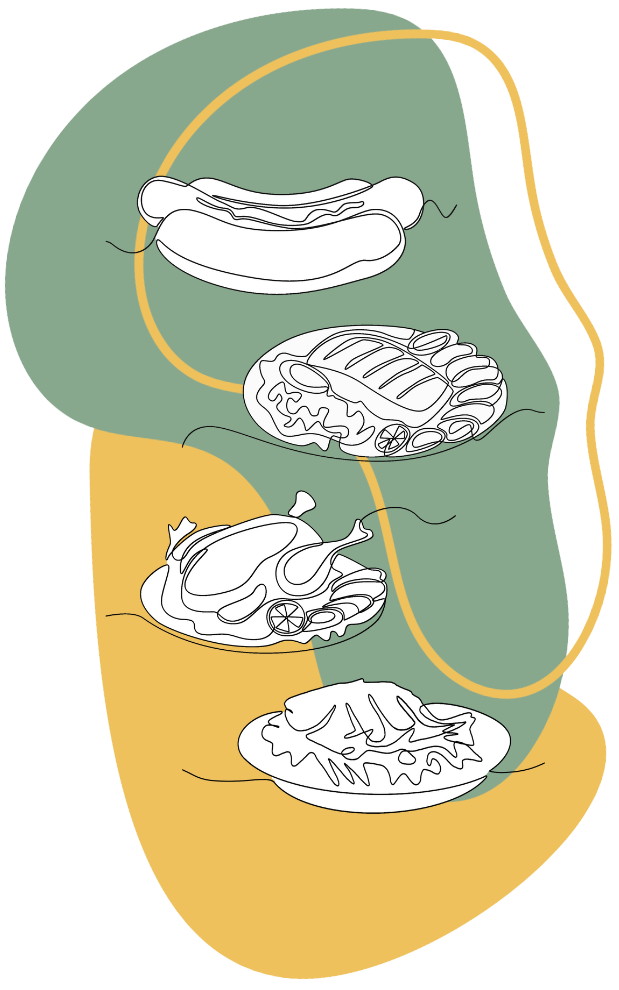
When dining out, it’s helpful to recognize the German names of various meats. Here’s a list of common meats and their German names:
- Pork (Schwein)
- Schweinefleisch (pork meat)
- Schinken (ham)
- Speck (bacon)
- Bratwurst (a type of sausage, often made with pork)
- Leberwurst (liver sausage, usually pork-based)
- Beef (Rind)
- Rindfleisch (beef meat)
- Rinderbraten (beef roast)
- Rinderhack (ground beef)
- Tartar (raw minced beef, often served as a dish)
- Chicken (Huhn or Hähnchen)
- Hühnerfleisch (chicken meat)
- Hähnchenschenkel (chicken leg)
- Geflügel (poultry, which includes chicken and other birds)
- Turkey (Pute)
- Putenfleisch (turkey meat)
- Putenbrust (turkey breast)
- Putensteak (turkey steak)
- Lamb (Lamm)
- Lammfleisch (lamb meat)
- Lammkotelett (lamb chop)
- Lammkeule (leg of lamb)
- Fish (Fisch)
- Lachs (salmon)
- Forelle (trout)
- Hering (herring)
- Kabeljau (cod)
- Duck (Ente)
- Entenbrust (duck breast)
- Entenfleisch (duck meat)
- Veal/Calf (Kalb)
- Kalbfleisch (veal meat)
- Wiener Schnitzel (traditionally made with veal, but sometimes pork)
- Kalbsbraten (veal roast)
- Rabbit (Kaninchen)
- Kaninchenfleisch (rabbit meat)
- Hasenpfeffer (rabbit stew)
8. Exploring Germany’s Rich Bakery Culture
Germany is renowned for its rich bakery culture, which is a significant part of everyday life. German bakeries, or Bäckereien, are more than just places to buy bread; they are cultural institutions offering a wide array of baked goods, each with its own history and significance.
- Bread: The Heart of German Bakeries
- Germany is often referred to as the “land of bread” due to its vast variety of bread types, with over 3,000 officially recognized kinds. Bread is a staple of the German diet and is enjoyed at almost every meal.
-
- Types of Bread:
- Brot: This is the generic term for bread. Traditional German breads are dense, dark, and made with whole grains like rye and spelt.
- Brötchen: Small bread rolls, often served with breakfast or as a snack. They come in many varieties, such as Kaiserbrötchen (crusty rolls) and Mehrkornbrötchen (multigrain rolls).
- Pumpernickel: A dark, dense rye bread, typically associated with Westphalia.
- Vollkornbrot: Whole grain bread, known for its hearty texture and nutritional value.
- Sauerteigbrot: Sourdough bread, prized for its tangy flavor and long fermentation process.
- Types of Bread:
-
-
- Brezel (Pretzel): A soft, chewy bread with a distinctive twisted shape, often sprinkled with coarse salt. Pretzels are a popular snack and are also served as part of traditional meals in southern Germany.
-

- Pastries and Sweets: A Treat for Every Occasion
- In addition to bread, German bakeries offer a wide range of pastries, cakes, and sweets that reflect the country’s diverse regional traditions.
- Popular Pastries:
- Schnecke: A spiral-shaped pastry that can be filled with various ingredients like raisins, nuts, or cinnamon.
- Berliner (Pfannkuchen): A doughnut-like pastry filled with jam or custard and coated in sugar.
- Streuselkuchen: A yeast cake topped with a crumbly, buttery topping known as Streusel.
- Apfelstrudel: A flaky pastry filled with spiced apples, often served with a dusting of powdered sugar.
- Bakery Visits: A Daily Ritual
- For many Germans, a visit to the local bakery is a daily ritual. Whether it’s picking up fresh bread for breakfast, a quick snack on the way to work, or a cake for afternoon coffee, bakeries play a central role in daily life.
- Breakfast and Coffee Time: Bread and rolls are integral to Frühstück (breakfast) in Germany, often served with butter, cheese, cold cuts, and jams. Kaffee und Kuchen (coffee and cake) is another beloved tradition, where friends and family gather in the afternoon to enjoy sweet treats with coffee.
- Sunday Traditions: Sundays are special, as many families head to their local bakery to buy fresh bread and pastries to enjoy at home. It’s a day when bakeries are particularly busy, as they are among the few shops open on Sundays in many parts of Germany.
9. German Bakeries and Indian Street Food: A Surprising Connection
Believe it or not, German bakeries and Indian street food are actually distant cousins, with a shared love of feeding people. Who would have thought that the world of precise German baking and the chaotic charm of Indian street food could have anything in common? Well, they do, and it’s more interesting than you’d think. Both are essentially different love languages for food.
- Community Hub: Both are often central to their respective communities, serving as gathering places for locals.
- Quick and Convenient: Whether it’s a morning pastry or an evening snack, both offer quick and convenient food options.
- Daily Production: Like Indian street food, many German bakeries produce their goods daily, emphasizing freshness.
- Local Ingredients: Both cultures prioritize using fresh, local ingredients whenever possible.
- Tradition: Both German bakery culture and Indian street food are deeply rooted in their respective cultures, with many recipes and traditions passed down through generations.
- Social Interaction: Sharing food is a common thread in both cultures, and bakeries and street food stalls often serve as social hubs.

Final Thoughts
Navigating the food culture in Germany as an Indian expat involves both challenges and opportunities. While you might experience culture shock initially, embracing the local food scene while maintaining your dietary preferences can lead to a rich and rewarding culinary experience. With time, you’ll find a balance between enjoying the diverse flavors of Germany and savoring the familiar tastes of home.
Lastly, if you have severe allergies or dietary restrictions, it’s always best to consult with someone who is fluent in German or can help you read the labels. Have you tried any traditional German dishes? Share your experience in the comments below!
About the Author: Nidhi Krümpelmann (Raval)
