
Germany offers a variety of benefits to the Indian expats in terms of education, culture, standard of living, etc. However, settling in Germany is one of the important steps before you start enjoying its perks. Germany has a lengthy bureaucracy at each step, and one such step is choosing the right bank account. Germany has a variety of banks with a variety of offers that may confuse you as a newcomer in Germany. But don’t worry, I am here to help you, not only in selecting the right bank account but also how to open a bank account without any stress. Before picking the right bank account, you need to understand why you need a bank account.
Table of Contents
Why do you need a bank account?
You might think that surviving in Germany doesn’t require a German bank account, and that’s only partly true. While online banking services or international money transfer options like Wise or Remitly can suffice for certain needs, day-to-day transactions such as grocery shopping or paying rent often require a local bank account.
Moreover, having a bank account allows for seamless transactions within Germany using the SEPA (Single Euro Payments Area) system, which is widely accepted throughout Europe. For students, opening a bank account is essential, since funds from a blocked account can only be accessed through a local bank account.

A bank account also helps avoid costly currency conversion charges. If you plan to stay in Germany long-term, it can lay the groundwork for building financial credibility, such as when applying for loans or credit in the future. Most importantly, many landlords prefer rent payments to be made through a local bank account.
If you’re convinced to open a bank account, now is the right time to learn about the different types of bank accounts available in Germany.
Types of bank accounts in Germany
There are generally 4 types of bank accounts in Germany:
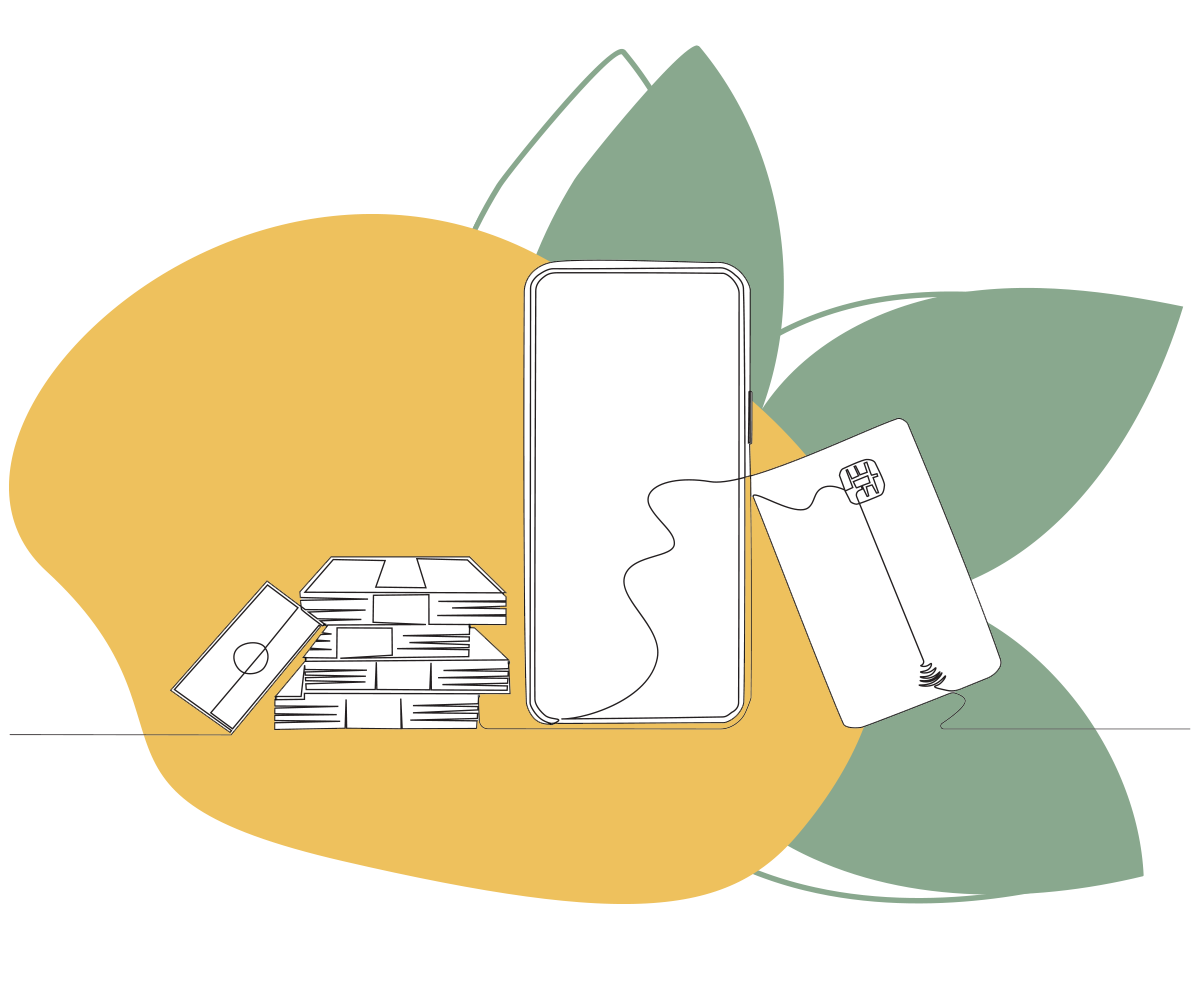
1. Girokonto (Current Account)
- This is generally what is preferred in Germany for daily transactions.
- It is the current account of Germany.
- It also comes with Girocard (debit card) for cash withdrawals and payments.
2. Sparkonto (Savings Account)
- It is an account with limited access to your savings.
- It is usually designed for saving money and earning interest.
- You get only limited options for withdrawals.
- However, it is useful for long term financial gains.
3. Tagesgeldkonto (Daily Money Account)
- It is also a type of savings account with easy money withdrawal.
- It has a higher interest rate than Sparkonto.
- It allows daily access to money without any penalties.
- It is generally useful for short term savings
4. Festgeldkonto (Fixed Deposit Account)
- It is a fixed term savings account with a higher interest rate.
- Money is locked for a certain period of time, say, 1-5 years.
- This is the best option for those who do not need access to money immediately.
Types of banks in Germany
Germany basically has 3 different types of banks.
1. Private Banks (Private Banken)
- Private banks offer a wide range of services like English-speaking staff and customer service, personal and business banking, etc.
- They are mostly used for personal banking, like international banking or transactions or digital banking.
- Some well known examples of such banks are: Deutsche Bank, Postbank, Commerzbank, etc.
2. Savings Bank (Sparkassen)
- They are local, publicly owned banks.
- As they have a strong local presence, they are easily accessible in smaller towns and cities.
- They offer most of the services at lower rates compared to private banks.
- They mostly focus on community oriented services.
3. Cooperative Banks (Genossenschaftsbanken)
- These types of banks are owned by the owners, who are also the customers.
- All the owners have an equal vote in the bank’s decision, irrespective of the amount they deposit.
- They have a strong local presence and offer personalized services.
- Volksbank and Raiffeisenbanken are popular examples of this type of bank.
4. Online Banks
- These banks operate online and have no physical branches.
- However, they send bank cards that can be used in any ATM in Germany.
- They permit international bank transfers and contactless payments as well.
- This is best for those who do not intend to stay longer in Germany or who want to study abroad for a semester.
- N26, Wise, etc. are the best online banking options available.
Key Factors to be considered while opting for the right bank account
There are many factors that affect choosing a right bank account as an expat. The most difficult part is to determine which factors to consider, especially when the banking is very different from the home country. Based on my personal experience, here are some key factors that you can consider when opening a bank account in Germany.

1. Language and Support
Selecting a bank which provides multilingual customer service is very important as an expat. It may not be a concern for those who have good knowledge of German language, however, it is always advisable to opt for a bank with multilingual support or at least English language customer service. Most of the online banks offer multilingual customer support so that it is easy for everyone around the world to understand banking and the services they offer. Some local banks offer services in only German language, which could be challenging when you are new to the country.
Additionally, look for the accessible services options like phone support, chat support, or email. Also, figure out if these services are provided in English or not. A clear user interface can help you navigate through the app easily and manage your finances without stress.
2. Fees and Charges
There are various fees and charges for different services you use in Germany. Some of the important charges that you should consider are:
- Account Management Fees
Some banks charge monthly or annual fees for maintaining accounts. However, some banks offer free accounts for students, young professionals, or if you have minimum balance in your account.
- ATM Withdrawal Fees
Some banks charge fees for ATM withdrawals, similar to the system in India. While some banks offer a limited number of free withdrawals, others may charge fees for every transaction. Additionally, certain banks impose limits on withdrawal amounts.
For instance, Deutsche Bank provides free ATM withdrawals within Europe. N26, on the other hand, allows two free withdrawals per month, after which a fee of €2 is charged per withdrawal. Trade Republic has a different approach: withdrawals over €100 are free, while those below €100 incur a fee of €1.

Understanding these fees and limits is important to avoid unnecessary charges and choose the bank that best suits your needs.
- Foreign Transactions & Other Charges
Another important aspect to consider is the fees associated with foreign or international money transfers. Almost all banks charge fees for transferring money internationally, such as sending funds to India. While some banks handle these transactions directly, others use third-party services, which may add additional costs.
3. Additional Services
Usually, different banks offer different additional services tailored to their customers. Some banks offer free credit cards, debit cards, while others offer online banking, etc. These services are equally important for expats as they can get benefits tailored to their needs with the bank account. Here are some of the services that may be useful to you:
- Online and Mobile Banking
Nowadays, almost all banks offer online banking services. While there may be specific procedures to activate this service, it is widely available across all banks. Online banking allows you to monitor your funds, make transactions, view account statements, and more.
Most banks also provide well-designed mobile apps, enabling you to manage your account conveniently from your phone. However, keep in mind that some banks offer mobile apps only in German, which could be challenging for non-German speakers. To avoid difficulties, consider choosing a bank that provides mobile app support in English or a language you’re comfortable with.

- Girocard, Credit Card and Debit Card
Cashless payments have become inevitable in today’s world, and Germany is no exception, being one of the leading economies globally. In addition to standard debit and credit cards, German banks also offer the Girocard, a payment card similar to a regular debit card but exclusively used within Germany. Girocards are widely accepted, from local supermarkets to high-end furniture stores, and are designed for everyday transactions.
While debit and credit cards often come with fees depending on the bank, many online banks provide these cards free of charge. Debit cards function similarly to Girocards, allowing seamless transactions. Credit cards, on the other hand, offer additional benefits, such as travel rewards, discounts, or cashback, making them a valuable tool for frequent travelers or savvy spenders.
- Physical Branches & ATMs
Although at first glance it may seem that physical branches are not necessary, trust me you will thank me for recommending a bank with a physical branch. Banks like N26, Trade Republic, etc., do not have physical branches and they offer all the services online.
Nevertheless, there are banks like Commerzbank, Deutsche Bank, etc., that have physical branches. At times, you will have situations which can only be resolved by going to a local branch.
Apart from it, ATMs are equally important. Although for most of the services you can use girocards, there will be times when you will need to make payments in cash and opening a bank account that has ATMs will be very useful. Online banks do offer ATM withdrawals, however, they may charge you for withdrawals depending on their policies. Germany has advanced a lot, however cash and coins remain to be their inherent part. Although for most of the services, you can use cards or cashless payments, there are certain payments that you can only do via cash. A lot of local stores, stalls at festivals, Döner shops, etc., accept only cash even today. Therefore, it is highly advisable to opt for a bank that not only has physical presence but also their own ATMs.
- Special Benefits or Features
Every bank offers certain features and benefits to its customers. But it is important to understand which features may be useful to you. Generally, there are bonuses for recommending the bank to your friends and family or colleagues. On the other hand, they may also offer cashback for certain services. So, it is always beneficial to look for these benefits when opening a bank account. If these benefits are not clearly mentioned on their respective websites, visit their branches and understand them clearly. Online banks also offer certain benefits like interest on your savings, etc., reach out to them via email or call and understand it.

4. Cash Culture
Germany has made significant advancements in cashless payment systems, yet cash and coins remain deeply ingrained in its culture. While most services accept cards or cashless payments, there are still instances where only cash is accepted. Many local stores, festival stalls, and Döner shops, for example, continue to operate as cash-only businesses.
How to open a bank account in Germany?
German banks have a standard procedure for opening a bank account. Certain banks offer this service online, but there are certain banks which may require paperwork to open an account. Remember, the process may not be limited to these steps only, it varies from bank to bank according to their requirements and policies. This checklist is only to help you get the basic information on opening a bank account in Germany. Therefore, contact your respective bank to get all the details before opening your account.
- Choose a bank of your choice, depending on your requirements and preferences. If you need help, you can visit our overview to understand the services they offer.
- Register yourself at the local citizen’s office (Bürgeramt) and get the registration certificate.
- Next, gather all the necessary documents:
- Valid passport and visa/residence permit
- Proof of address: although not necessary, some banks may have it as a mandatory requirement.
- Evidence of funds: Blocked account, payslips, letter of recommendation from employer
- Proof of enrolment: for students if applicable
- Registration certificate
- Completed application form: if applicable
4. Visit the bank or online application to submit all these documents. If you are visiting the branch physically, then it is best to book an appointment beforehand to avoid waiting time.
5. Complete the verification process through post or video identification as suggested by the bank. Most online banks prefer video identification. The verification process may take from some minutes to some weeks, so be patient.
6. Once verified, wait for the bank account details. You will receive your IBAN, debit or girocard through post. You will also receive a PIN to activate your card through post. This process may take up to 2-4 weeks.
7. If you have opted for a traditional bank, you may also wait for a PIN to activate your online banking.

Bank Account Glossary
Banks in Germany use a lot of traditional German words which may be useful to remember, so that you do not have to worry about it when you hear it for the first time.
| German Words | English Translation |
|---|---|
| Bargeld | Cash |
| Kontoinhaber | Account Holder |
| Kontonummer | Account Number |
| Bankleitzahl (BZL) | BIC/SWIFT code |
| Kontoführungsgebühren | Bank account fees |
| Nettoeinkommen | Net income |
| Zinsen | Interest |
| Überweisung | Money Transfer |
Our Recommendation
Personally, I would suggest having a bank account that offers most of the services, as banks don’t offer all the services. I personally suggest banks like Commerzbank, as they offer comprehensive services with multilingual customer service. They charge very minimal fees as compared to other banks. On the other hand, banks like N26 and Trade Republic can also be a great option if you need an online bank. However, they do not provide Girocard. Nevertheless, they provide debit cards free of cost virtually and at €10 physically. Note that they have €0 account management fees.
Additionally, they also offer SEPA transfer. Commerzbank and Trade Republic charge €0 for any number of withdrawals, whereas N26 allows 2 withdrawals for free. They also allow domestic transfer without any charges. Therefore, these banks are highly recommended.
If you are looking for a more traditional option, you can choose Deutsche Bank for its strong presence for years. They charge approximately €6.90 for account management, however, they provide you with all the other services that are mentioned above. They also allow international bank transfers to India at nominal costs.
Find your right bank account

Opening a bank account in Germany may seem daunting at first for expats, but with proper guidance and support, the process can be straightforward and efficient. Once you understand your specific needs, it becomes relatively simple. Typically, you only need to provide a few documents and wait for verification before gaining access to your account.
The key is to identify your requirements for the account. Take time to research the various charges, card options, and benefits to ensure they align with your needs. This preparation will help you choose the best banking solution for your situation.
It is important to understand that you may not hesitate to ask for help if needed because one wrong step and you can really mess things up. Learn some basic German phrases related to banks so that you may not find it overwhelming when researching the right bank account for you. I sincerely hope that you now have a better idea and understanding on opening a bank account in Germany.
Disclaimer
The information on this page is based on our personal experiences and thorough research. However, the content may contain inaccuracies and should not be regarded as financial, insurance, legal, or any other type of professional advice.
We are not certified professionals, brokers, advisors, lawyers, or consultants. Always conduct your own research and consult certified experts before making any decisions.
To support our work, we use affiliate links. This means that some links on this page may be affiliate links. We earn a commission if you click on these links or make a purchase, at no additional cost to you.
Affiliate links are marked with an “*”.
About the Author: Deep Parikh
